
A water point
A nearby tap for the drip line. No plumbing? We can supply a concealed tank and pump.
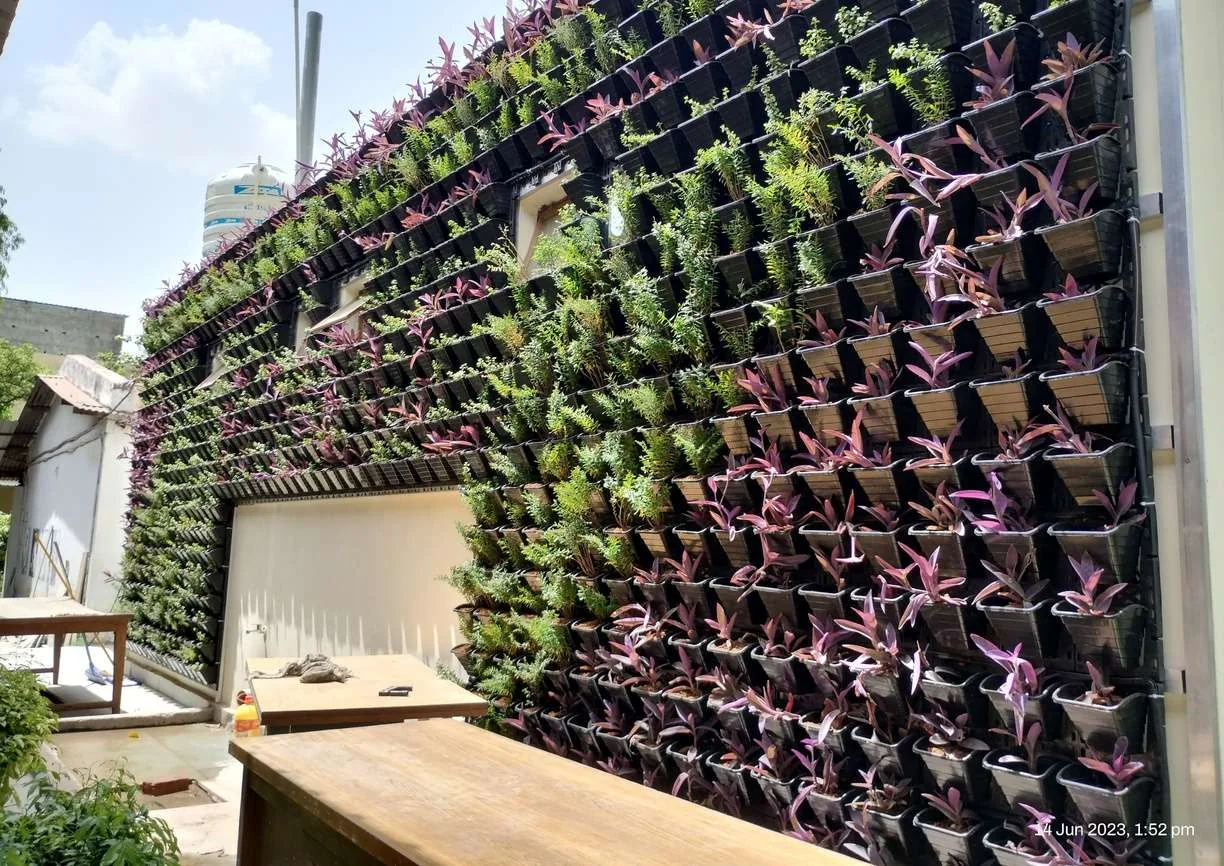
03 · Process
Five steps, usually done in 2 to 3 days.
Process
Most projects are finished in 2 to 3 days, without disturbing your daily routine.
Our experts visit to check the wall condition, sunlight and the space available.
We measure the wall precisely, add the waterproofing layer and mark out the area.
A custom metal or PVC frame goes up with drainage channels and irrigation pipes.
Carefully chosen plants are placed in modules and connected to drip irrigation.
We test the system, check the irrigation and give you a maintenance guide.
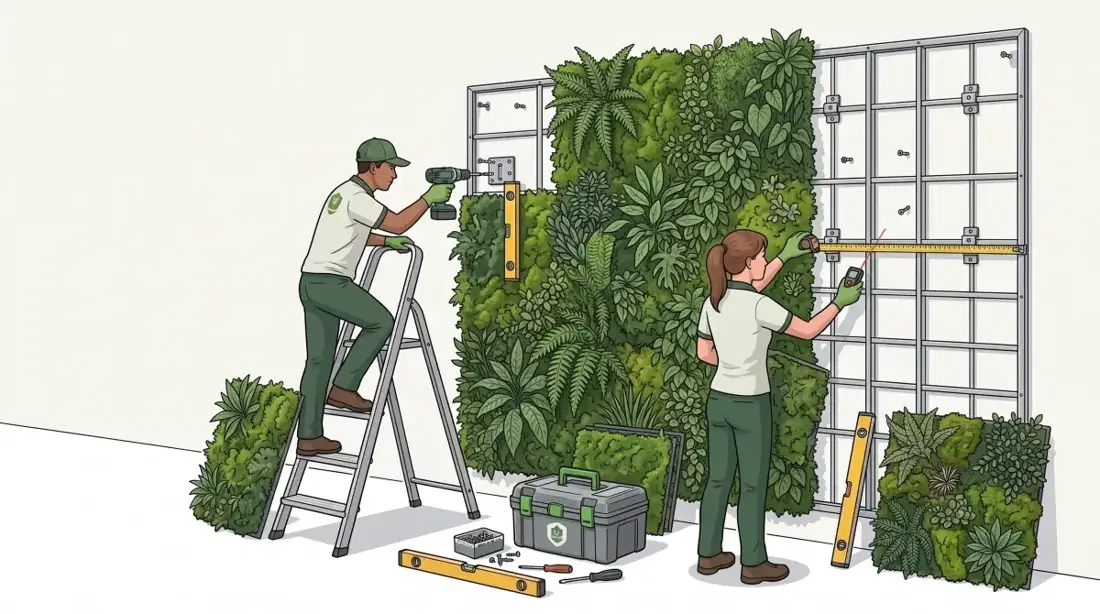
Typical schedule
Most projects wrap up in 2 to 3 days. Larger walls can take a little longer.
We measure, check sunlight and share a quote.
Waterproofing, frame and irrigation lines go up.
Plant modules are placed and connected to drip.
System test, care guide and your first watering plan.
Before we start
Not much. Our in-house team brings everything else, with no outside contractors.
A nearby tap for the drip line. No plumbing? We can supply a concealed tank and pump.
For the irrigation timer and any grow lights.
Space to bring in frames and plants, and to work at the wall.
Tell us your look, colours and the plants you love. We guide the rest.
Our promise
Zero wall-damage and zero-seepage guarantee, backed by waterproof PVC panels.
Most projects finish in 2 to 3 days without upsetting your daily routine.
Trained professionals, so quality and accountability stay with us.
We test the irrigation, tidy up and walk you through care.
After handover
Most projects are completed in 2 to 3 days, depending on size. Larger or more complex walls may take longer, and we tell you upfront.
No. We work efficiently and keep the work area tidy so you can carry on as usual.
It looks lush from day one, and the plants continue to fill in and settle over the following weeks.
We replace underperforming plants free within 30 days. AMC plans also include replacement of plants that fail despite proper care.
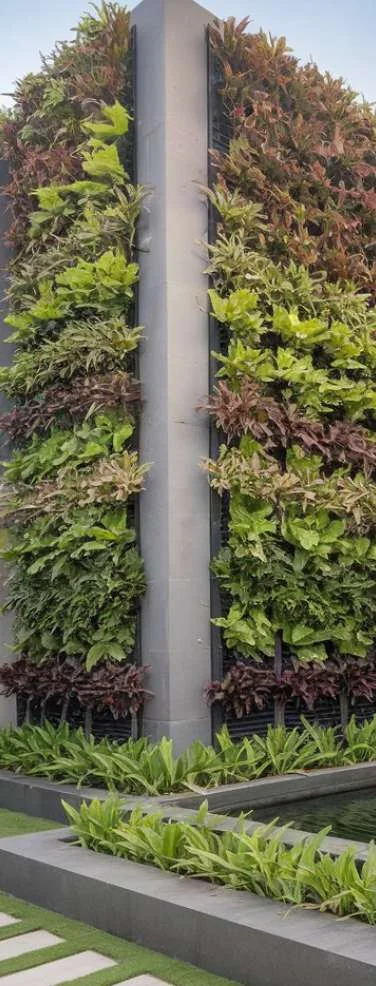 Natural vertical gardens
Overview
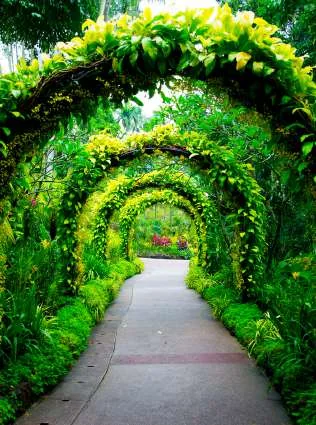
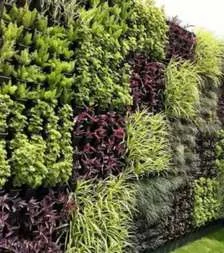
Vertical gardens are a revolutionary way to incorporate greenery into your living or working spaces. Perfect for both indoor and outdoor environments, they transform walls into lush, vibrant displays of plant life.
We specialize in designing and installing vertical gardens that reflect your style and space needs.
Benefits

Helps purify the air around us, making the environment cleaner and fresher.

Acts as a natural shield for your walls, reducing heat, noise and dust.
Transforms empty walls into beautiful, lush green spaces.

Carefully curated plants add elegance and complement any space.
Why choose us

We provide a warranty on our vertical gardens for your peace of mind.

A plant AMC (Annual Maintenance Contract) ensures your plants stay healthy and vibrant.

Perfect for transforming plain walls into lush green areas.

Expertly curated plants to enhance aesthetics and sustainability.
Installation process
Five clear stages, from the first site visit to the final care guidelines.
Our experts visit the location to assess space, lighting and client preferences. We discuss design ideas and select suitable plants.
We create a customized layout, ensuring the best plant selection for aesthetics and easy maintenance. The design is finalized with the client.
We install strong frames, panels and irrigation systems (if needed) to support plant growth and ensure durability.
Carefully placing and securing plants to achieve a lush, balanced look while ensuring proper growth conditions.
We inspect the setup, make final adjustments and provide care guidelines to help maintain a healthy vertical garden.
Types
There is more than one way to grow upward. Here are the main systems.
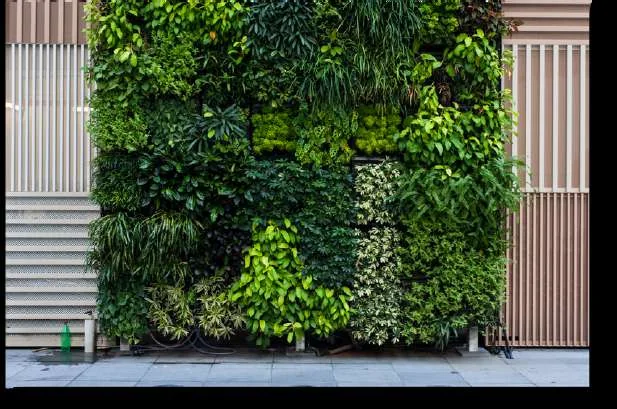
Vertical structures covered with plants, often using hydroponic systems.
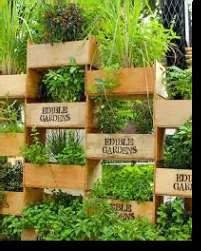
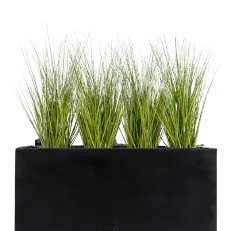
Tiered or stacked containers to maximize space for small plants and herbs.
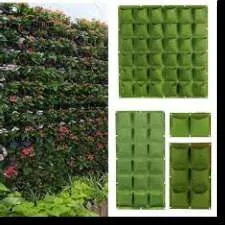
Fabric or plastic pockets attached to walls for growing flowers, herbs or succulents.
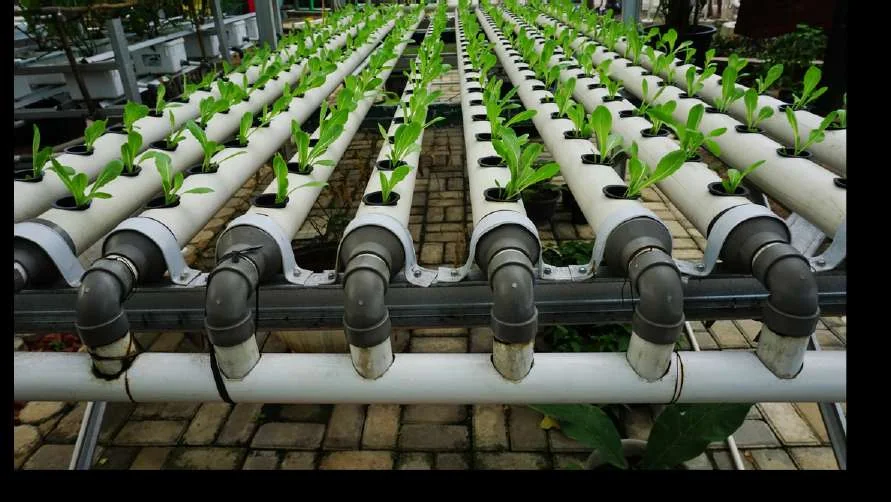
Soil-free systems where plants grow in nutrient-rich water.
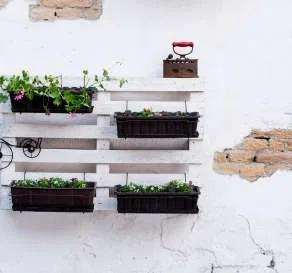
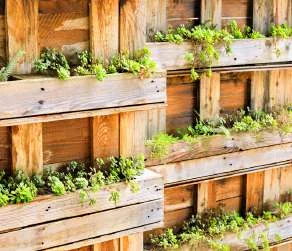
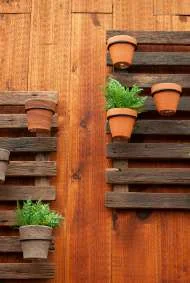
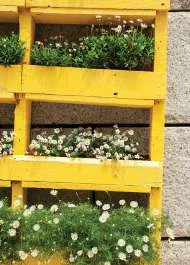
Recycled wooden pallets turned into planters for small vegetables and flowers.
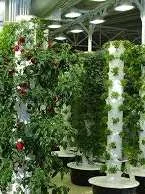
Cylindrical or stacked systems designed for compact, high-yield plant growth.
Elements we use
What goes into the wall, step by step.
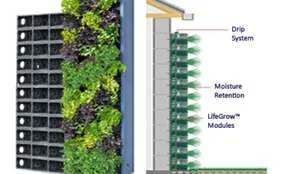
A sturdy metal framework made of iron and aluminum is set up to provide structural support and create a gap between the wall and the garden for proper ventilation.
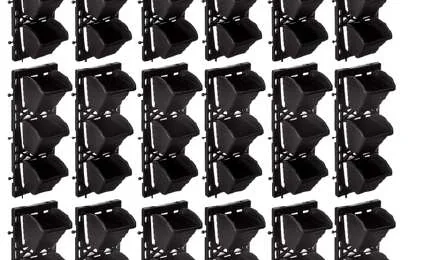
Vertical garden panels are securely fixed onto the framework, ensuring durability and a strong foundation for plant growth.
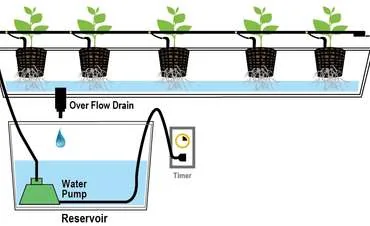
A drip irrigation system is installed and connected to the main water source to provide a consistent water supply with minimal wastage.

Carefully chosen plants, suited to the environment and aesthetic requirements, are planted in the panels with a suitable growing medium.
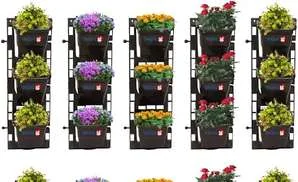
A mix of soil, coco peat or hydroponic materials is used to provide essential nutrients and promote healthy plant development.
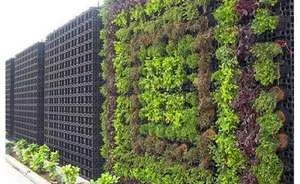
The vertical garden is checked for stability, irrigation efficiency and overall appearance. Regular maintenance, including trimming and fertilizing, ensures long-term sustainability.
Elements and sizes
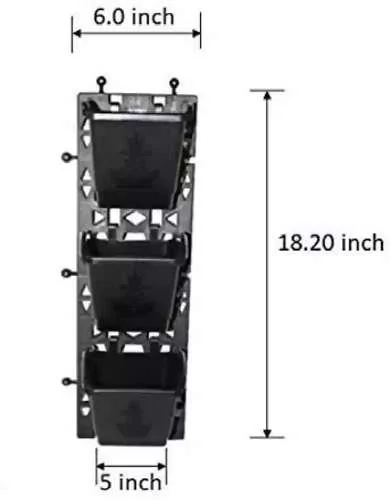
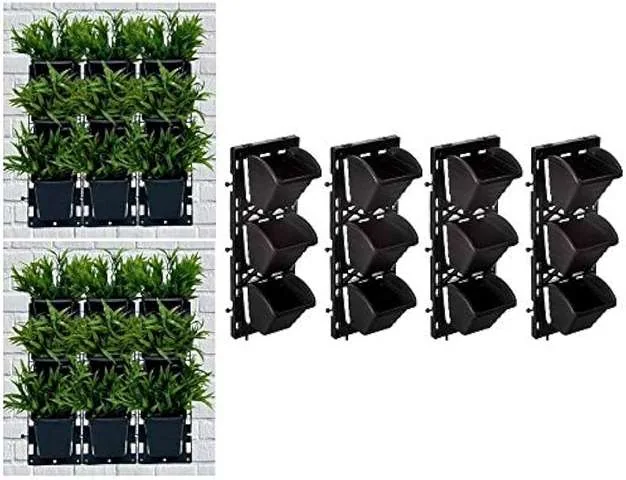
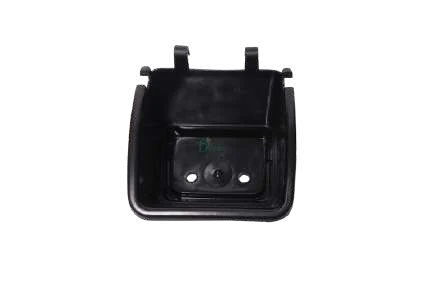
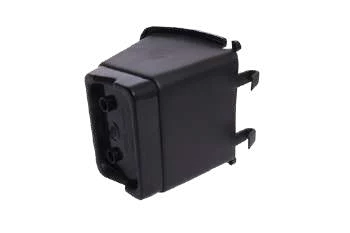
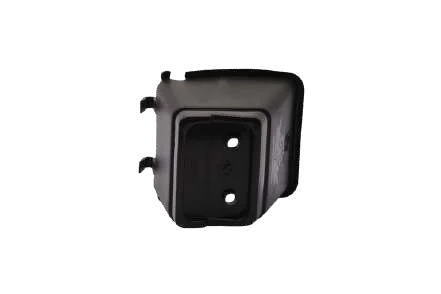
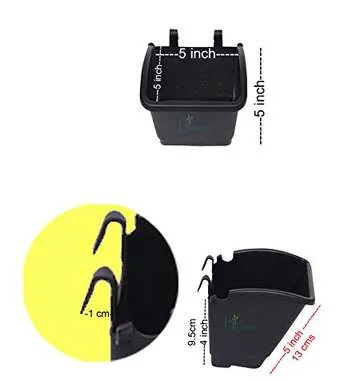
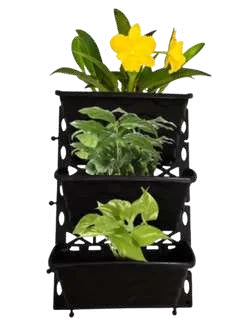
Walls are built from stackable modules. Each module in our diagram is 6.0 inch wide and 18.20 inch tall, with three pockets of about 5 inch.
Plantation




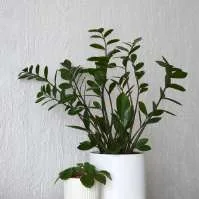


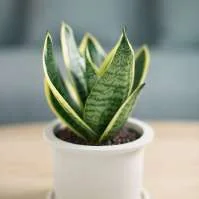










We use a combination of these plants based on location, lighting and maintenance needs to create stunning and sustainable vertical gardens. Additionally, we incorporate beautiful, medicinal and functional plants to design a lush, vibrant and visually appealing green space.
Made for you
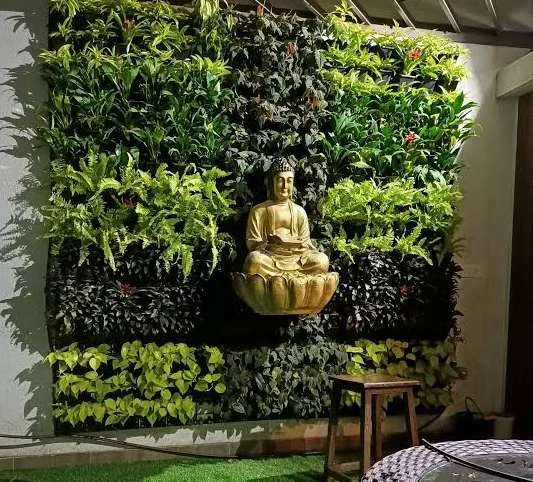
We design vertical gardens tailored to our clients' specific needs, considering factors like space, lighting, climate and maintenance preferences. Whether it is a residential, commercial or outdoor project, we ensure a perfect balance of aesthetics and functionality.

Services
Vertical gardens are just the start. We also take on the wider green spaces around them.
Living walls for homes, offices and commercial spaces.
Green terraces designed around your space and light.
Compact greenery that makes the most of a small balcony.
Outdoor landscapes that balance beauty and low upkeep.
Soft, textured moss walls for interiors.
Expert advice on space, light, plants and maintenance.
Groundwork and site preparation for garden projects.
From site check to handover
A reliable natural vertical garden installation begins with a site assessment and a realistic planting plan. The wall structure, waterproof backing, drainage route, irrigation access and maintenance needs should be resolved before plants are installed.
Measure the wall, review light and exposure, confirm access to water and discuss the look you want. A planting layout helps coordinate plant positions and the overall composition.
Prepare the surface, fit the support and protective layers, arrange irrigation and drainage, then install the selected plants with attention to spacing and access.
Check irrigation coverage, review plant condition and explain the watering controls, pruning, feeding and regular inspections needed after installation.
Ready when you are
Free measurement and site visit anywhere in India.