Key takeaways
- Natural walls use real plants and need irrigation and regular care.
- Artificial walls need only a mounting frame and occasional dusting.
- Choose natural for light-rich spaces, artificial for dark, low-effort ones.
Side-by-side comparison
| Natural | Artificial | |
|---|---|---|
| Foliage | 100% real, living plants | UV-stabilised plastic or silk |
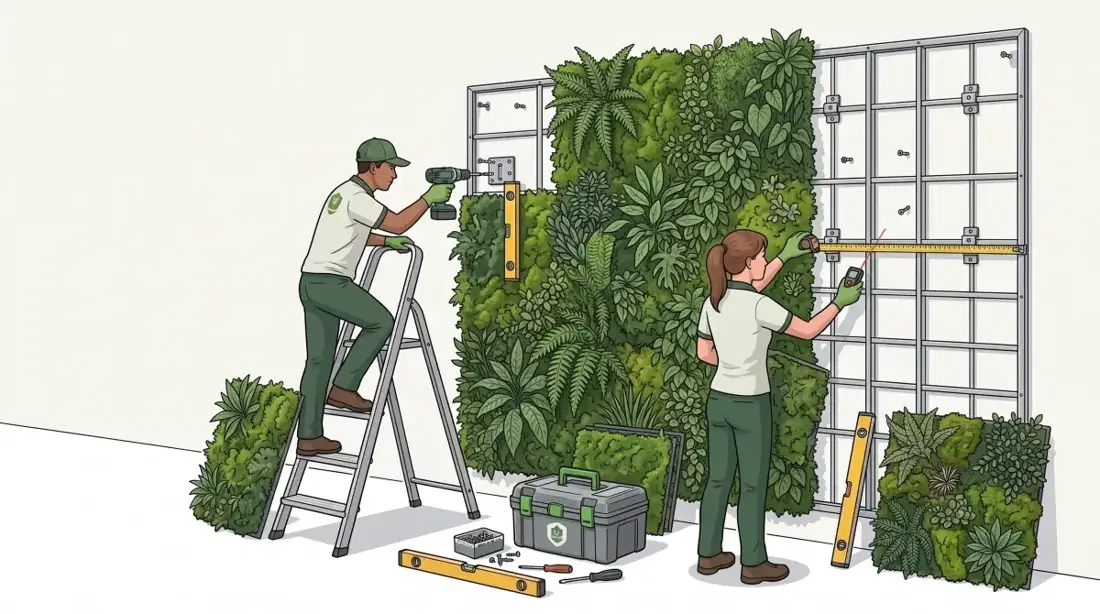
| Setup | Frame and irrigation | Mounting frame only |
| Watering | Daily automated drip | None |
| Upkeep | Pruning, feeding, pest care | Occasional dusting or water wash |
| Replacement | Occasional plants | Long-lasting, none |
| Benefits | Air cleaning, cooling, oxygen | Greenery without care |
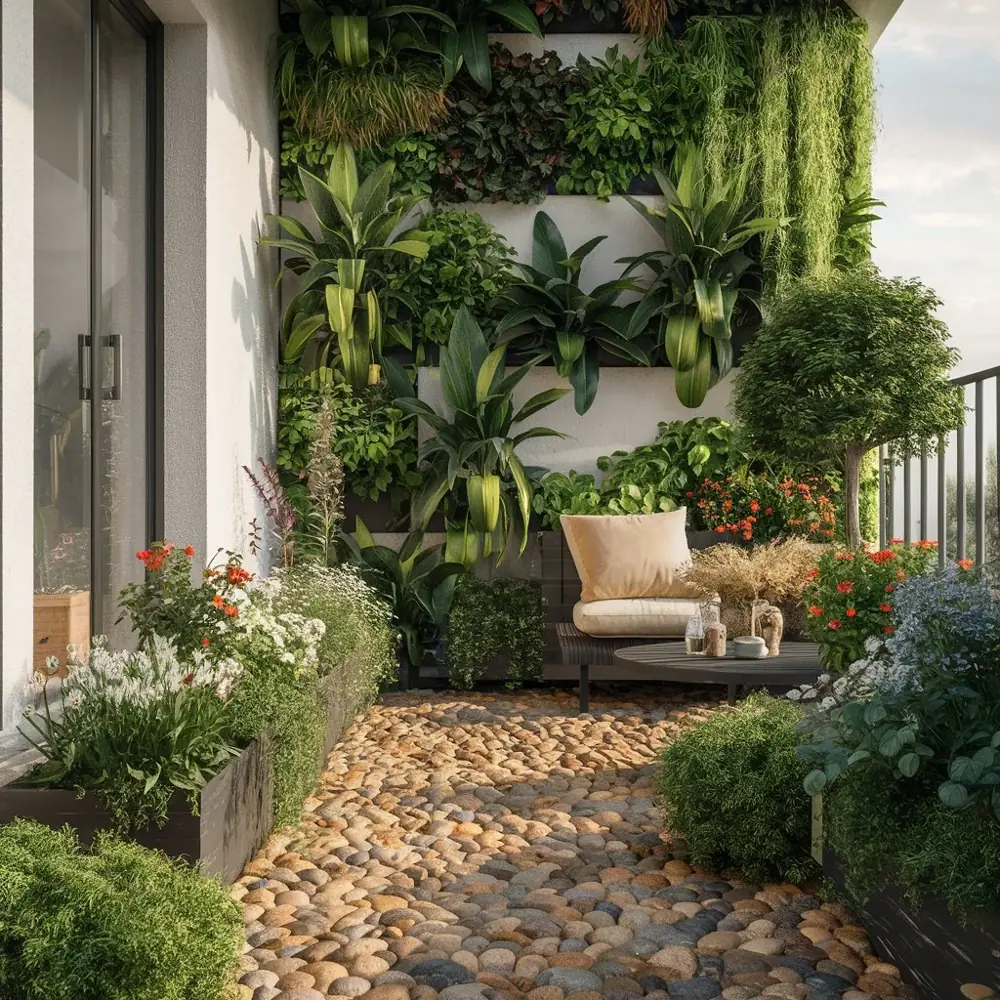
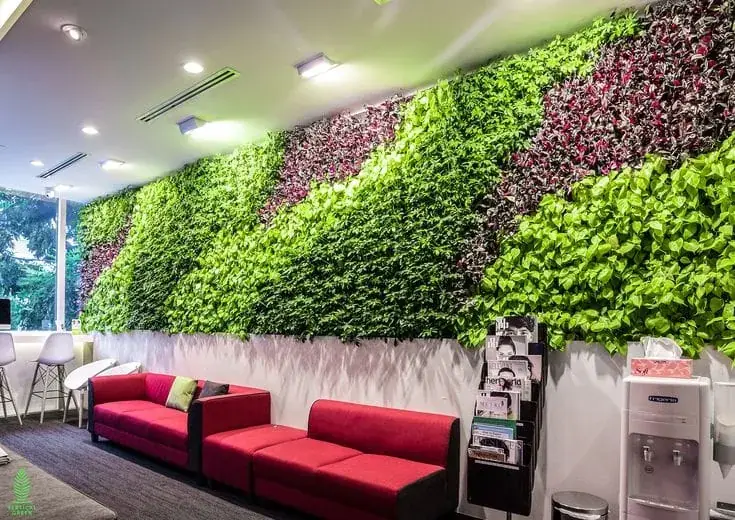
| Best for | Balconies, sunny courtyards, ventilated facades | Dark corridors, low-effort offices, basements |
Choose natural if
You have light, want the air and cooling benefits, and are happy with routine care or an AMC. Start with the cost guide.
Choose artificial if
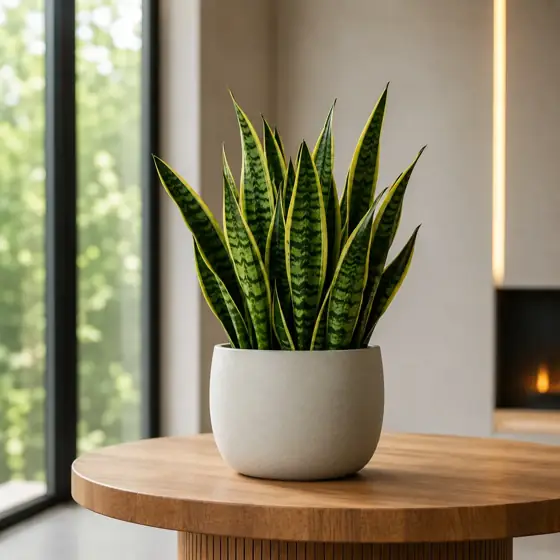
The space is dark or you want almost no upkeep. Natural walls can still work indoors with shade-tolerant plants and LED grow lights.
Frequently asked questions
Which needs less maintenance?
Artificial walls need only dusting or a wash; natural walls need regular care.
Can natural walls work without sunlight?
Yes, with shade-tolerant plants and full-spectrum LED grow lights.